
Epilepsy Education and Support in Playa Vista, CA
Roughly 1 in 26 people in the United States will develop epilepsy at some point in their lives. Even so, plenty of adults have no idea what to do when someone near them has a seizure, and many people with the condition spend years fielding questions built on outdated ideas. Breaking Out The Cocoon, a nonprofit foundation in Playa Vista, CA, runs a program that addresses both sides of that problem: support for the person living with epilepsy and clear information for everyone who shares their days.
Why Education and Support Belong Together
A diagnosis of epilepsy brings practical changes and emotional ones. Medication routines shift. Sleep starts to matter more than it used to. Questions come up about driving, about telling an employer, about whether a child's teacher knows enough to keep them safe at school. Support on its own helps a person carry all of that. Information on its own helps people understand it. Combined, they change the environment someone with epilepsy moves through, which is why this program treats them as one piece of work rather than two.
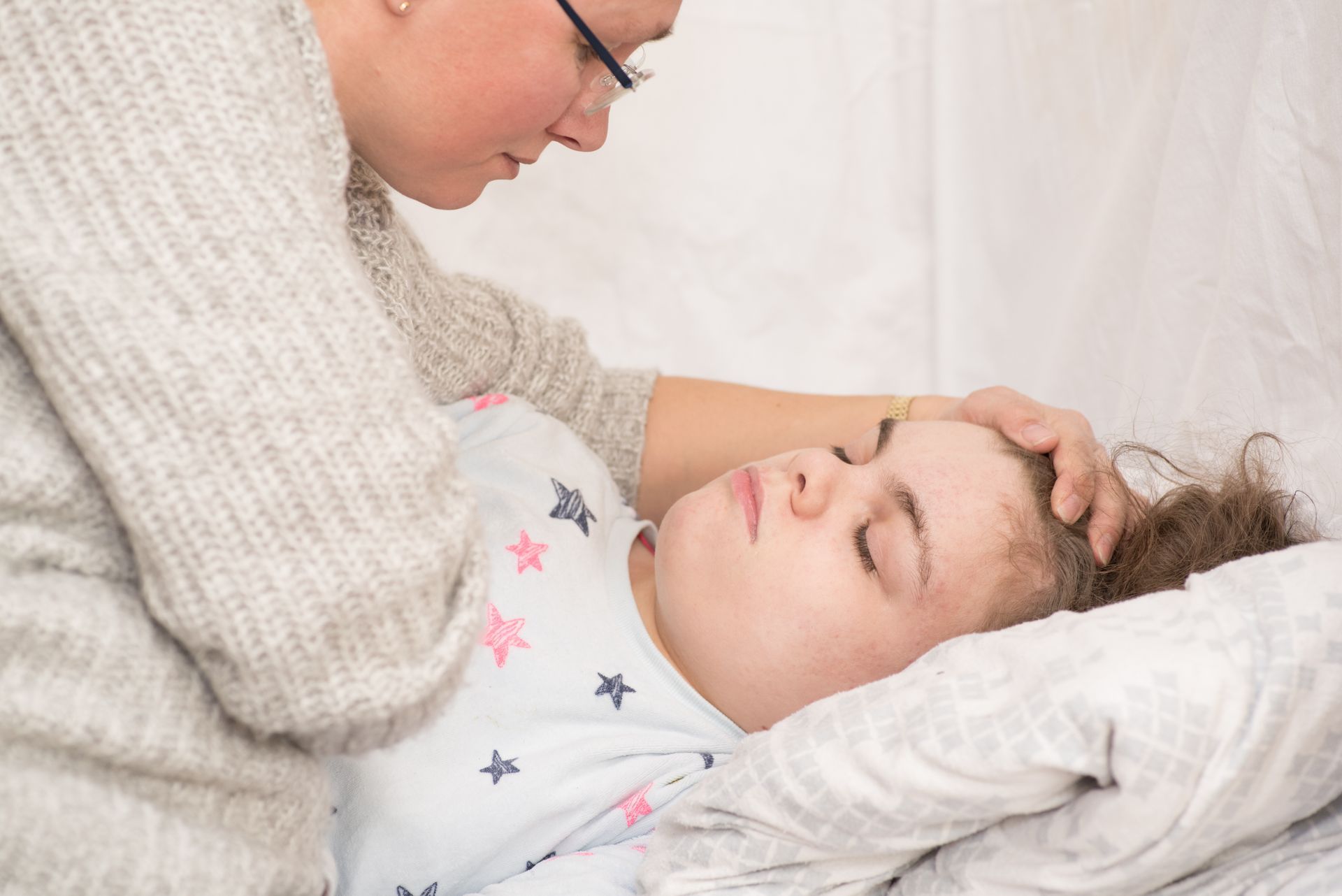
For People Living With Epilepsy
Some arrive soon after their first diagnosis, trying to make sense of new terminology and new limits. Others have lived with seizures since childhood and know their condition thoroughly but are worn down by having to explain it again and again. Both can benefit from a place where epilepsy is the starting assumption instead of the surprising disclosure.
For the People Around Them
Fear tends to fill the space where knowledge is missing. A coworker who has never seen a seizure may panic, crowd the person, or try something unsafe. A friend who misunderstands the condition may quietly stop extending invitations. When the people in someone's life understand epilepsy, those reactions soften, and the person living with it gets to be treated as themselves.
How Epilepsy Shows Up in Daily Life
Seizures are the visible part, but the condition reaches further. Side effects from medication can bring fatigue or fogginess. Triggers such as missed sleep, stress, or skipped doses can make planning feel fragile. School and work may require accommodations that have to be requested, explained, and sometimes defended.
Then there is disclosure. Deciding who to tell, and how much, is a personal choice with real consequences. Talking that through with others who have faced the same decision is often more useful than any general advice.

The Basics Everyone Should Know
Seizure first aid takes only a few minutes to learn. Stay with the person and time the seizure. Move hard or sharp objects away, cushion the head if possible, and once the shaking stops or if they are not fully awake, roll them gently onto their side. Never put anything in their mouth and never hold them down. Stay until they are fully alert.
Knowledge this simple can change the outcome of an ordinary afternoon. Spreading it to families, classrooms, and workplaces is part of what makes epilepsy education worth doing.
Related Support at the Foundation
Many people with epilepsy also manage another long-term health issue, and the foundation's chronic condition support program is built for that broader experience. Parents, partners, and others who care for someone with seizures can turn to family and caregiver support. All three program areas are introduced on the Breaking Out The Cocoon
home page.
Frequently Asked Questions
What is epilepsy, exactly?
Epilepsy is a neurological condition generally diagnosed after a person has two or more unprovoked seizures occurring more than 24 hours apart. Seizure types vary widely, from brief staring spells to convulsions, and a neurologist determines the diagnosis and treatment.
When should someone call 911 during a seizure?
Call 911 if a seizure lasts longer than 5 minutes, if one seizure follows another without the person waking in between, if they are injured, pregnant, or in water, if they have trouble breathing afterward, or if it is their first known seizure.
Can family members take part?
Relatives have a program area of their own, family and caregiver support, designed around the questions and strain that come with caring for someone with seizures. Teachers, coworkers, and others who want to learn can reach out through the contact page to ask what is available.
I also live with a different chronic condition. Where should I start?
Start with this program for the epilepsy side, and mention the second condition when you get in touch. The foundation's chronic condition support program is one of its three areas and may fit alongside this one.
How do I sign up?
Go to the enrollment page for the sign-up steps. Prefer to talk first? Send a question through the contact page before committing.